Fire safety onboard vessels is governed by a structured international regulatory system built around SOLAS requirements and the Marine Equipment Directive (MED) for EU-flagged ships.
Together, these frameworks define mandatory fire protection standards, equipment performance criteria, certification procedures and operational responsibilities.
This article outlines the regulatory structure of SOLAS Chapter II-2 and the role of MED in ensuring compliant fire safety equipment onboard.
SOLAS Chapter II-2: Fire Protection, Detection and Extinction
SOLAS Chapter II-2 establishes mandatory requirements for fire prevention and firefighting systems onboard ships. The regulation covers:
-
Fire prevention through ship design and construction
-
Structural fire protection
-
Fire detection and alarm systems
-
Firefighting equipment and fixed extinguishing systems
-
Means of escape
-
Operational preparedness and emergency drills
The regulation is based on five fundamental safety principles:
-
Prevention of fire and explosion
-
Reduction of fire growth potential
-
Detection and containment
-
Safe escape
-
Extinguishment
This structured approach ensures a performance-based fire safety strategy across vessel types.
Passive Fire Protection under SOLAS
Passive fire protection consists of structural elements designed to contain fire within defined compartments for a specified period of time.
These elements allow safe evacuation and controlled firefighting intervention.
Passive fire protection includes:
-
Fire-resistant bulkheads and decks
-
Approved insulation materials
-
Fire doors and dampers
-
Structural fire integrity divisions (A-class and B-class divisions)
Compliance with SOLAS fire integrity requirements ensures that fire spread is limited through certified construction standards.
Active Fire Protection Systems
Active fire protection systems are designed to detect, control and extinguish fires.
These systems include:
-
Fire detection and alarm systems
-
Fixed fire-extinguishing systems (CO₂, foam, water mist)
-
Automatic sprinkler systems
-
Portable fire extinguishers
-
Fire hydrants and fire hoses
All fire safety systems must comply with IMO performance standards and are subject to periodic inspection and testing.
Proper system functionality is essential to meet SOLAS operational readiness requirements.
Marine Equipment Directive (MED) and Fire Safety Equipment
Role of the Marine Equipment Directive (MED)
The Marine Equipment Directive ensures that fire safety equipment installed on EU-flagged vessels complies with SOLAS and IMO performance standards.
Equipment covered under MED includes:
-
Fire detection systems
-
Portable and fixed fire extinguishers
-
Fire-resistant materials
-
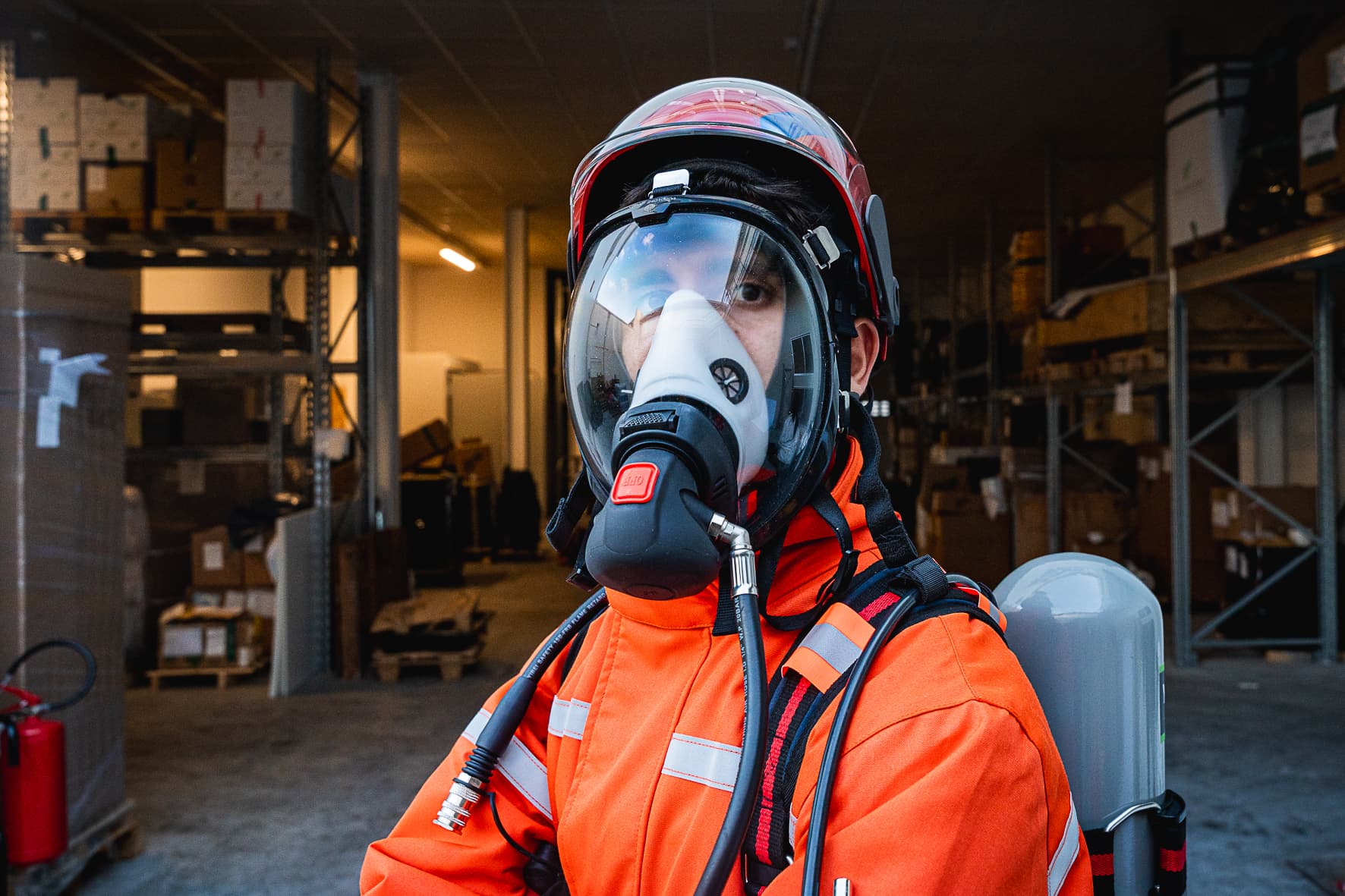
Firefighter outfits
-
Emergency Escape Breathing Devices (EEBD)
Certified equipment bears the Wheelmark symbol, confirming compliance with EU conformity assessment procedures.
Certification and Conformity under MED
Under MED requirements:
-
Equipment must undergo type approval testing
-
Production is monitored by notified bodies
-
Products must meet IMO test standards (FTP Code – Fire Test Procedures Code)
-
Periodic audits ensure continued conformity
This harmonized certification system ensures both safety compliance and free circulation of marine equipment within the European Union.
Operational Fire Safety Onboard
Regulatory compliance must be supported by structured operational procedures.
Fire Risk Management
Ship operators are required to implement:
-
Fire risk assessments
-
Preventive maintenance schedules
-
Hot work control procedures
-
Fuel and engine room monitoring
-
Electrical safety inspections
Prevention remains the most effective measure against onboard fire incidents.
Crew Training and Fire Drills
SOLAS requires:
-
Regular fire drills
-
Familiarization with fire control plans
-
Training in the use of breathing apparatus
-
Coordinated emergency response procedures
Drills must simulate realistic scenarios while maintaining controlled safety conditions.
Maintenance and Inspection of Fire Equipment
Fire safety equipment must be:
-
Inspected weekly and monthly as required
-
Serviced annually by certified personnel
-
Pressure-tested where applicable
-
Recorded in official ship documentation
Failure to maintain compliant fire protection systems may result in deficiencies or detention during Port State Control inspections.
Integration of SOLAS and MED
The relationship between SOLAS and MED can be summarized as follows:
-
SOLAS defines the fire safety standards and performance objectives.
-
MED ensures that equipment installed on EU-flagged vessels meets those standards through conformity assessment procedures.
Together, they establish a comprehensive regulatory framework that combines international maritime obligations with European enforcement mechanisms.
Fire safety under SOLAS and MED represents a structured and performance-based regulatory system designed to minimize fire risk and ensure effective emergency response at sea.
Through structural protection, certified equipment, crew training and systematic inspection regimes, the maritime industry maintains high levels of protection for life, property and the marine environment.
In maritime operations, fire safety is not only a regulatory requirement but an ongoing operational responsibility.